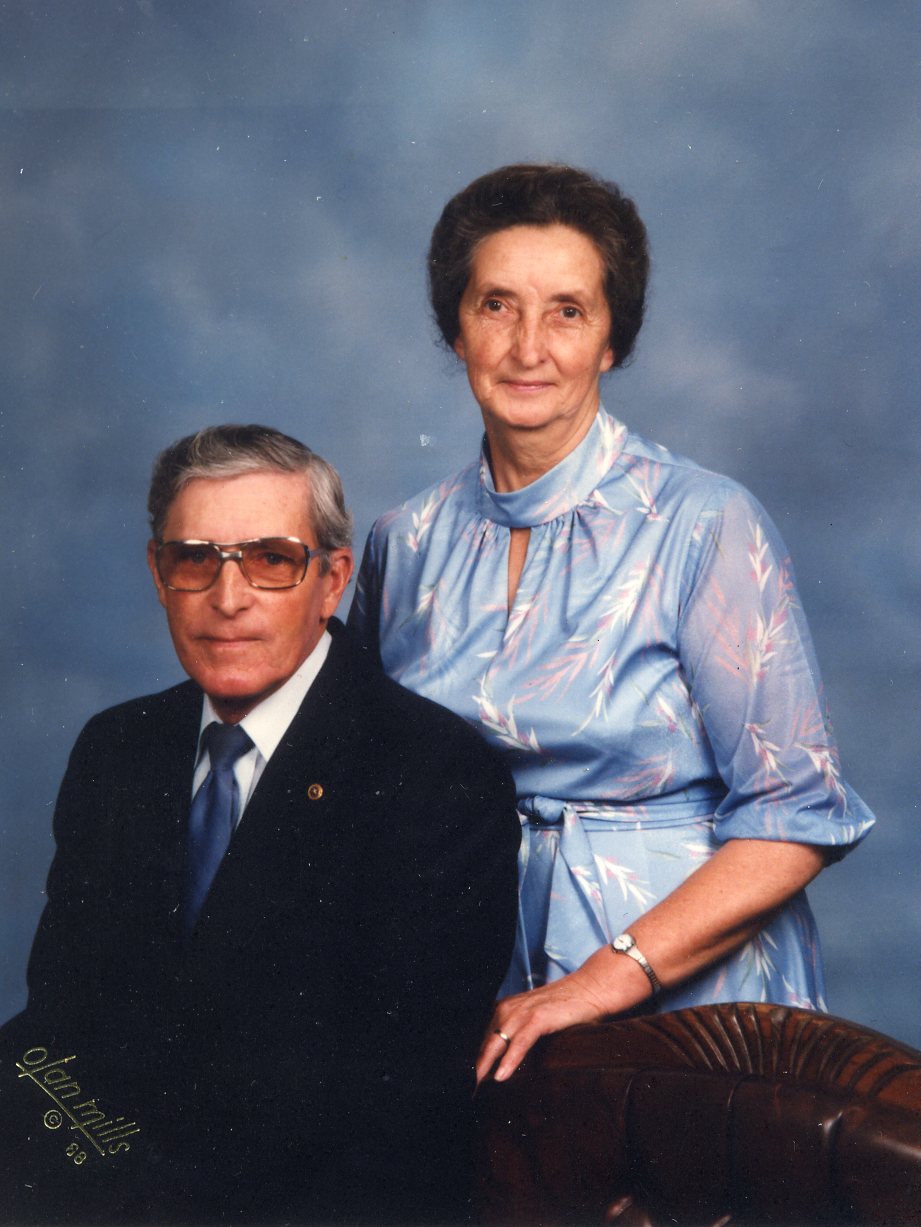
After serving through some of the fiercest fighting of World War II, Harold Plank returned home to the quiet countryside of northern Pennsylvania and began building the life that would define his postwar years. He purchased a farm on Whitaker Road near Westfield, Pennsylvania — a place that remained his home for the rest of his life. On September 13, 1946, he married Hazel Houghtaling, and together they built a home rooted in hard work and family while raising their three sons — Harry, James, and Tom.
Like many veterans of his generation, Harold returned from the war determined to work hard, provide for his family, and serve his community. Over the years he held many different jobs. Earlier in life he farmed, drove a milk truck throughout the area, worked as a projectionist at Clark’s Theatre in Westfield, and later worked at Ingersoll Rand. Eventually, he became a city carrier for the Westfield Post Office, a position he held for many years until his retirement in 1985.
Although Harold rarely sought recognition for his wartime service, the experiences of World War II remained an important part of his story. As one of the Rangers who climbed the cliffs at Pointe du Hoc on D-Day, and later fought in the Battle of the Bulge, Harold carried with him firsthand memories of some of the most difficult and historic moments of World War II. In later years, at the urging of his family, he recorded many of those memories so future generations would better understand both the sacrifices made during the war and the importance of preserving freedom.
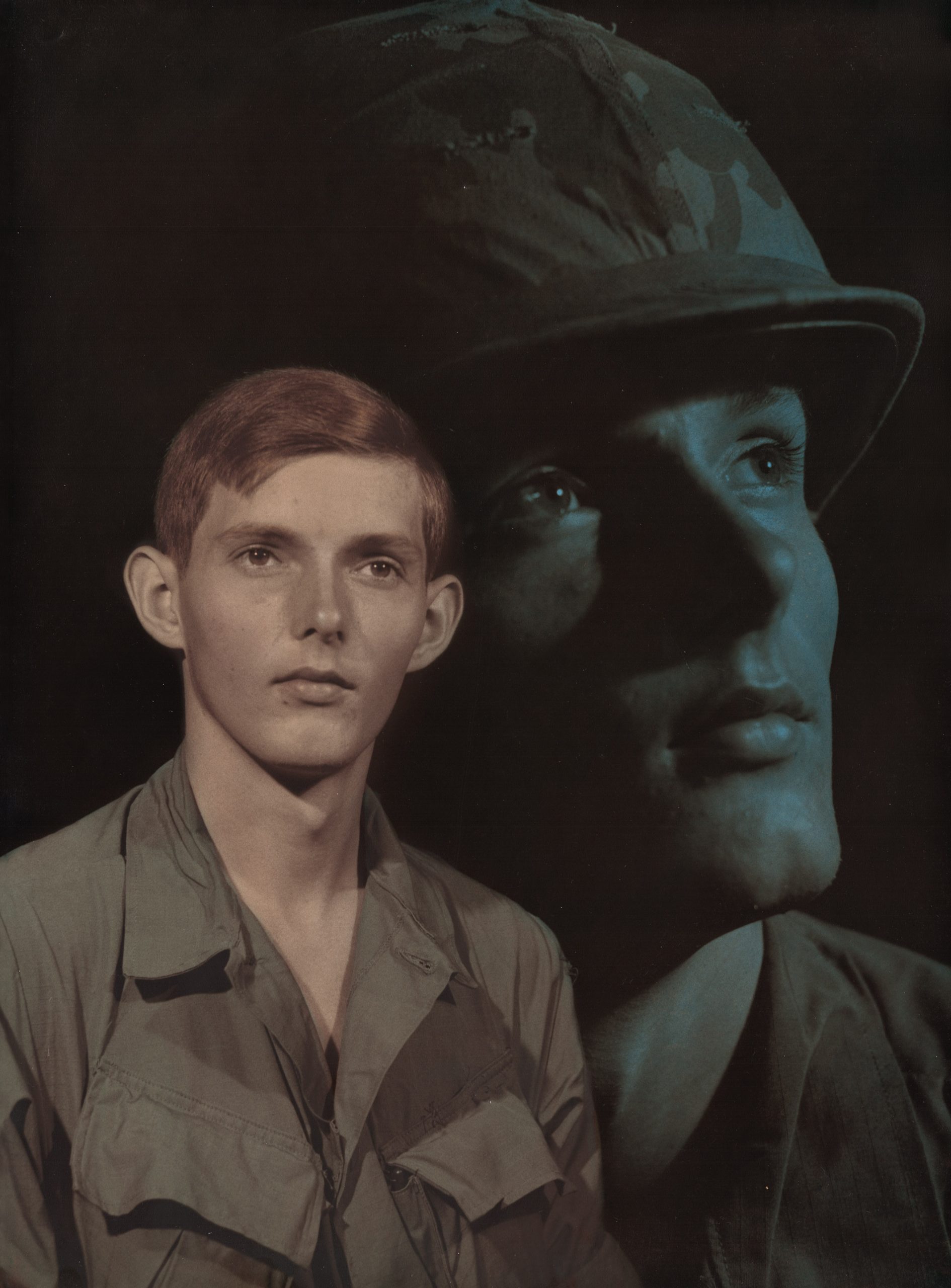
Harold and Hazel’s life together was marked by both joy and sorrow. In 1970, their son, Corporal James D. Plank, was killed in action during the Vietnam War — a loss that deeply affected the family. Through every season of life, Harold remained known for his quiet strength, humility, faith, and deep devotion to his family.
In April 2003, Harold returned to Normandy, France, for the first time since World War II. Accompanied by Hazel, his son Harry, and grandsons James, Jon, and Andrew, he visited Omaha Beach, Pointe du Hoc, the Normandy American Cemetery, and other locations connected to his wartime service.
By the time of his passing on December 10, 2008, Harold’s legacy extended far beyond his wartime heroism. He was remembered not only as a decorated veteran, but also as a faithful husband, father, grandfather, church member, postal carrier, and friend whose life reflected perseverance, sacrifice, and steadfast commitment to those he loved.